

Zinc
Zinc is an important trace element that comes from our diet. It helps to make thyroid hormones and releases vitamin A from body stores when needed. It speeds up chemical reactions, regulates cell activities, helps your body metabolize proteins, fats and carbohydrates, switches on genes, and stimulates immune responses. Animal foods provide good sources of zinc that the body can absorb well. These include oysters, mussels, crab, lobster, red meat, liver and eggs. Nuts, wholegrains and legumes also contain zinc, but it’s a form that your body is less able to absorb. In most vitamin and mineral supplements, zinc is included in such forms as zinc oxide, zinc acetate, or zinc gluconate. Zinc is believed to be an antioxidant that may protect against accelerated aging of the skin and muscles of the body. Zinc also helps speed up the healing process after an injury. It is also suspected of being beneficial to the human immune system.
Benefits of zinc include:
Skin health – Zinc helps to form the structure of hair, skin, nails and the connective tissue in joints. It also helps wounds to heal and works with vitamin A to maintain healthy skin and mucous membranes.
Reproductive health – Zinc is important for healthy reproduction, as it plays a role in ovulation, fertilization and healthy pregnancy in women, and helps maintain healthy sperm, testes and the prostate gland in men. Adolescent boys and men may have increased need for zinc because it’s vital for puberty and male sexual function.
Immune system – Zinc also supports the body’s immune defence system, promotes healthy bone growth, helps the body to regulate blood sugar, and plays a role in fighting free radical damage and inflammation.
Energy booster – Zinc may help to booster energy level during times of fatigue and low mood.
Zinc
Zinc is an important trace element that comes from our diet. It helps to make thyroid hormones and releases vitamin A from body stores when needed. It speeds up chemical reactions, regulates cell activities, helps your body metabolize proteins, fats and carbohydrates, switches on genes, and stimulates immune responses. Animal foods provide good sources of zinc that the body can absorb well. These include oysters, mussels, crab, lobster, red meat, liver and eggs. Nuts, wholegrains and legumes also contain zinc, but it’s a form that your body is less able to absorb. In most vitamin and mineral supplements, zinc is included in such forms as zinc oxide, zinc acetate, or zinc gluconate. Zinc is believed to be an antioxidant that may protect against accelerated aging of the skin and muscles of the body. Zinc also helps speed up the healing process after an injury. It is also suspected of being beneficial to the human immune system.

Benefits of zinc include:
Skin health – Zinc helps to form the structure of hair, skin, nails and the connective tissue in joints. It also helps wounds to heal and works with vitamin A to maintain healthy skin and mucous membranes.
Reproductive health – Zinc is important for healthy reproduction, as it plays a role in ovulation, fertilization and healthy pregnancy in women, and helps maintain healthy sperm, testes and the prostate gland in men. Adolescent boys and men may have increased need for zinc because it’s vital for puberty and male sexual function.
Immune system – Zinc also supports the body’s immune defence system, promotes healthy bone growth, helps the body to regulate blood sugar, and plays a role in fighting free radical damage and inflammation.
Energy booster – Zinc may help to booster energy level during times of fatigue and low mood.
Recommended Products
-
Add to cart
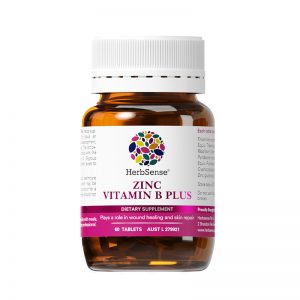
ZINC VITAMIN B +
$46.00
[1 Product / 60 TABLETS]